 U nas zapłacisz kartą

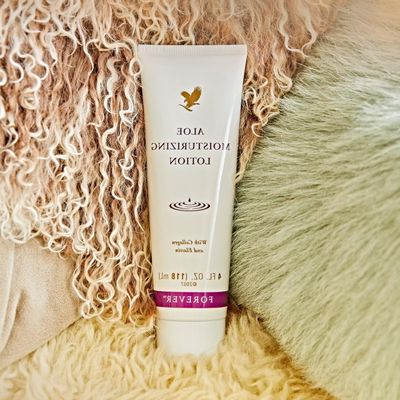
Forever Aloe vera - Krem do twarzy na zawsze młodą skórę
How to Use Aloe Vera
How to Apply to the Skin
Here is how to use fresh aloe vera for skin conditions:
- Snip one of the leaves close to the bottom of the plant.
- Put the cut side down in a glass to allow the latex to drain for about 10 minutes and discard it.
- Remove the leaf spikes and use a vegetable peeler to get to the clear gel inside.
- Scoop out the gel and store it in a clean, sealable container in the fridge for up to two weeks.
- Place a small amount of gel on your fingertips and gently work it in with circular motions.
- If using it as a facial cleanser, rinse with cool water and gently pat your skin dry.
- If using it as a facial moisturizer, gently spread a thin layer of gel onto the skin and allow it to dry.
How to Take by Mouth
Commercial preparations are generally safer because the dose is controlled. Even so, you can make aloe vera juice by following these steps:
- Snip a leaf close to the bottom of the plant and wash thoroughly with water.
- Cut the leaf into 1-inch cubes.
- Squeeze the gel from the cubes. Discard the skin.
- Place the gel in a blender with 6 cups of filtered or distilled water.
- Blend thoroughly.
- Strain the juice and add sweetener and lemon if desired.
Some studies suggest that doses of up to 90 milliliters (3 fluid ounces) daily are well tolerated and safe.
Consumer Safety
Side Effects of Aloe Vera
Side effects of aloe vera applied to the skin are uncommon. Even in oral forms, the plant is generally well tolerated. This is especially true of topical and oral aloe preparations in which latex has been removed.
Common Side Effects
Common side effects of oral aloe vera include:
Severe Side Effects
The risk of side effects can vary by the formulation. Aloe vera gel and juice appear to cause fewer reactions than whole-leaf aloe vera extract and aloe latex found in certain oral supplements. Problems generally occur when aloe vera is overused.
When taken at higher doses, aloe vera may cause:
- Drug-induced hepatitis: The risk varies, but liver toxicity generally occurs with the prolonged use of aloe vera supplements over months or years.
- Acute kidney failure: Kidney injury may occur with the prolonged use of aloe vera latex in doses greater than 1 gram per day. Some cases of aloe vera-induced kidney failure have been fatal.
Aloe Vera and Cancer Risk
Whole-leaf aloe vera extract has been shown to be carcinogenic in rats and is currently classified by the International Agency for Research on Cancer as a possible human carcinogen (Group 2B). Some human studies suggest that the product may increase the risk of colorectal cancer, but more research is needed.
Krem z aloesem - jaki jest najlepszy i dlaczego warto go stosować? [RADY EKSPERTA]
Krem z aloesem ma zbawienne działanie dla skóry - nawilża, koi, odżywia, a na dodatek jest bardzo lekki i nie obciąża skóry. Kto powinien sięgać po krem aloesowy i jakie produkty warto kupić? Poznaj rady eksperta Super-Pharm, kosmetolog - Martyny Radziejewskiej.
Aloes ze względu na szereg cennych właściwości, od dawna wykorzystywany jest w przemyśle kosmetycznym. W łodygach aloesu znajduje się drogocenna żelowa substancja, która aż w 99% składa się z wody oraz szeregu substancji aktywnych: witamin, polisacharydów, kwasów tłuszczowych i minerałów. Sok z aloesu wspiera odporność organizmu, pomaga leczyć alergie i stany zapalne, wykorzystywany jest do łagodzenia owrzodzeń i trudno gojących się ran. Ze względu na właściwości regenerujące i łagodzące, sok z liści aloesu znalazł zastosowanie w przemyśle kosmetycznym, jako składnik toników, kremów i żeli do twarzy.
Spośród wszystkich kosmetyków z aloesem, największym hitem jest żel aloesowy, który można stosować na ciało, twarz i włosy. Poza tym aloes najcześciej znajdziemy w składzie kremów nawilżających.
Najniższa cena: 26.99 najniższa cena z ostatnich 30 dni przed obniżkąKrémek
Az aloe vera áldásos hatásainak felfedezése nem mai történet, hiszen már Kolumbusz Kristóf is jó néhány aloe vera növény társaságában szállt fel a fedélzetre annak érdekében, hogy a vele utazó zsoldosait eredményesen tudja velük gyógyítani. Az aloe vera gél mind belsőleg, mind pedig külsőleg is nagyon eredményesen vethető be. A tiszta levélbelsőből nyert gél 260 aktív összetevőből áll: így többek között 20 féle ásványi anyagot, 18 féle aminosavat és 12 féle vitamint tartalmaz. A növény egyik titka, hogy úgy fejti ki a legjobban a hatását, ha a lehető legtisztább formában alkalmazzuk, pont úgy, ahogy azt a természet megadta. Büszkén jelenthetjük ki, hogy a Forever termékek (pl. Forever aloe vera krém) kiemelkedő tisztaságban tartalmazzák az aloe vera gélt, így méltán érdemelték ki a Nemzetközi Aloe Tudományos Tanács elismerő pecsétjét!