 U nas zapłacisz kartą

"Pat&rub - Cena kremu pod oczy - Przegląd i Porównanie"
Who can carry out a PAT test?
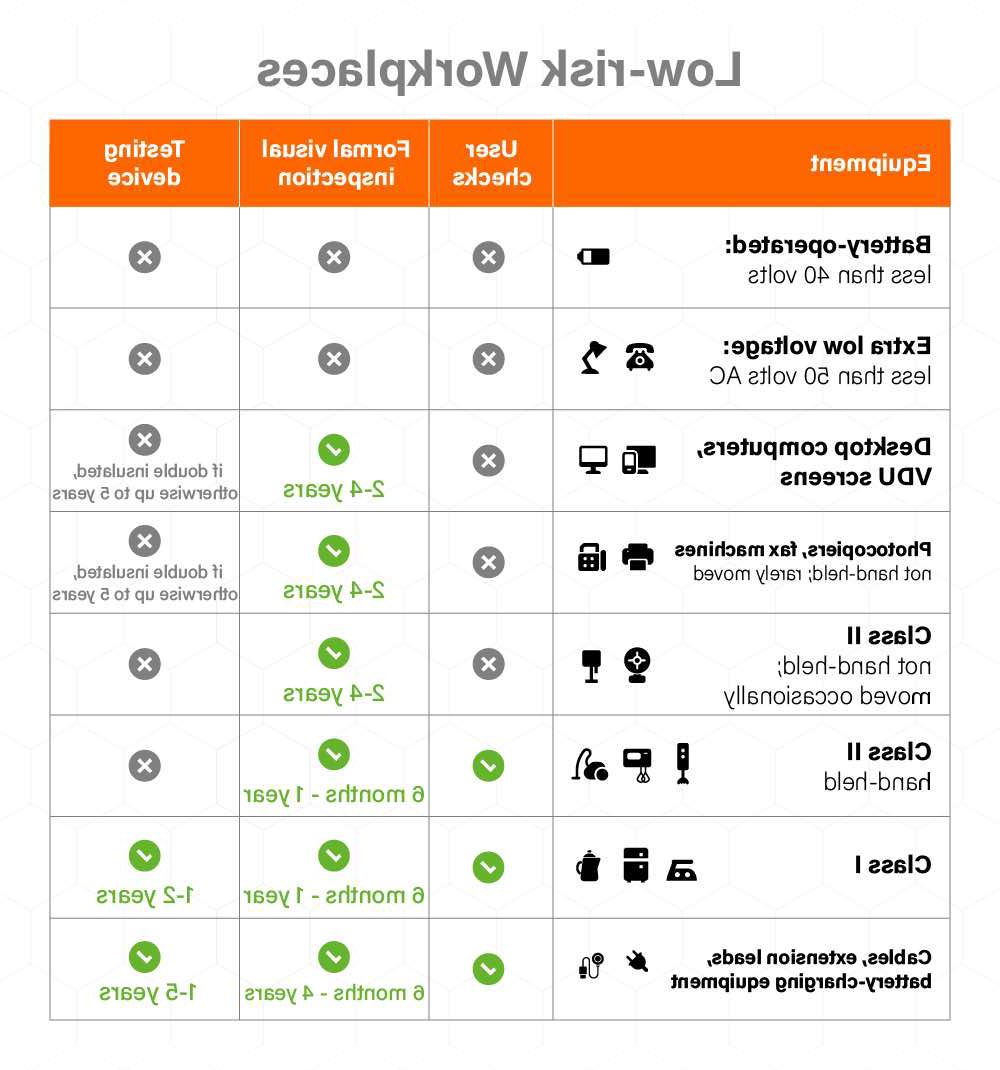
The formal visual inspection should be carried out by someone competent with an appropriate level of knowledge. In low-risk environments, a member of staff could be tasked with this if they were given the right training.
However, in high risk environments, or when the equipment requires an inspection and manual testing, it is always advised to use an experienced and qualified professional with expertise in the field. They should be well-trained and have the correct equipment for the job.
phs Compliance is the largest and most experienced provider of PAT testing in the UK. We are also the only electrical testing company in the UK to hold UKAS 17020 accreditation for the inspection of electrical installations and appliances.
With over 160 qualified electrical engineers available, our experienced team conduct these vital safety tests during your operational hours, without disrupting your customers or staff. We are proud to also be fully accredited by NICEIC, BIFM and CHAS, amongst others.
Do I need to do PAT testing?
The Health & Safety Executive (HSE) advises that PAT testing should include three steps – user checks, a formal visual inspection and the manual PAT test using a portable appliance tester.
Step 1 - user checks
All users of electrical equipment should have some basic training in how to use the equipment safely, as well as what danger signs to be aware of, as part of their induction. Users should feel confident in visually checking the equipment regularly for obvious signs of damage, as well as potential risks, such as cables trapped under desks or water hazards.
Step 2 - a formal visual inspection
Prior to the manual PAT test, a formal visual inspection of the equipment should be carried out. According to the HSE, this process usually flags up around 90% of problems and it can be carried out by a competent member of staff with the relevant training, or a professional.
It is essential that the equipment is turned off and unplugged before beginning the visual inspection. The checklist should include:
1)The plug
-Look for any signs of damage, including cracks, burns or bent pins, and check that the wiring is correct. The live, neutral and earth conductors should all be connected to their relevant terminals tightly.
3)The appliance
-Check for any obvious damage, including cracks, burns, corrosion and casing wear and tear
4)The mains socket
-Although this is not part of a PAT test, it should be included in the visual inspection. The mains testing of sockets is done during a fixed wire test.
-Look for cracks, signs of over-heating and any loose fittings and check the shutter mechanism
5)RCD (Residual Current Device) checks
-RCDs are fitted with a test button and will trip if the current flowing through the live conductor is different to that in the neutral
-The inspection should look for signs of damage, check the operating current and test the ‘test’ button to ensure it’s in working order
What does a pat test consist of?
A regular PAT testing includes a visual inspection and electrical testing of an electrical device, which will comprise the following:
- Checking for power cords or cables that are not correctly connected to their plugs
- Powering down and unplugging devices before testing them
- Testing all removable parts such as batteries or memory modules ensures they work and have no issues that could cause fire hazards. If there’s any damage to these areas, then you should consider replacing the whole unit rather than just repairing it because breakages can happen in the future, and you’ll have to start again.
- Check for any defects or signs of wear that may be dangerous – such as frayed wires
- It is not just the device you need to check but the surrounding area as well – so if a cord is hanging over or near something flammable, then that could also be an issue.
Why is it important?
It is essential because it keeps the power safe for those in proximity to electrical equipment.
Pat testing prevents accidents by ensuring that there are no potential hazards such as:
Faulty wiring, loose connections or improper grounding of a device. Pat testing ensures proper and complete insulation from the high voltage or low-voltage alternating currents used in electricity distribution systems to establish an adequate ground connection between system parts (elements) that may be exposed to different voltages. It also helps prevent fires caused by defective plug connectors, faulty plugs and poor design flaws on circuit breakers and fuses. This process can help eliminate defects before they cause any harm or injury to people working near these devices.

Recenzje 9
- Od najwyższej oceny
- Od najniższej oceny
- Sortowanie domyślne
- Od najstarszych
Dodanych produktów: 35
Napisanych recenzji: 287
4 / 5
4 lutego 2022, o 16:02
Nie wie, czy kupi ponownie
Używa produktu od: kilka miesięcy
Wykorzystała: jedno opakowanie
Kupiony w: Inna drogeria
Dobry
Krem dobrze nawilża okolice oczu, jednak jakiegoś innego efektu nie zauważyłam po zużyciu całego opakowania. Zostawia białe mazy na skórze, trzeba dobrze go wklepać. Duży plus za naturalny skład. Opakowanie jest bardzo duże, bo aż 30ml i fajnie, że mamy pompkę i nie trzeba grzebać palcem w pojemniku, ale ta pompa doprowadzała mnie do szału. Po każdym użyciu (używałam rano i wieczorem) krem zasychał i potem wystrzeliwał na wszystkie strony tylko nie na palec po naciśnięciu pompki. No za każdym jednym razem to samo. Nie wiem czy kupię ponownie, bo krem jest dobry, ale za tą cenę mogę kupić znacznie tańszy krem do oczu, szczególnie że ten tylko nawilżają skórę i nic więcej nie robił.
ZALETY: + duże opakowanie,
+ brak mocnego zapachu,
+ naturalny skład,
+ działanie nawilżające.
WADY: - brak innych efektów, które zapewniał producent,
- wysoka cena.
Dodanych produktów: 0
Napisanych recenzji: 11
5 / 5 HIT!
28 listopada 2021, o 19:46
Używa produktu od: rok lub dłużej
Wykorzystała: kilka opakowań
Kupiony w: Nie podano
Bardzo dobry
Krem jest lekki, szybko się wchłania, nie zawiera nuty zapachowej. Bardzo dobrze poradził sobie z moimi sińcami i cieniami. Duży plus za pojemność (30 ml) i higieniczne nabieranie kremu. Starcza mi na długo, a skóra wokół oczu jest bardzo odświeżona.