 U nas zapłacisz kartą
Kolista Lysina Mnicha - Tajemnica i Symbolika w Tradycjach Religijnych
In This Article
- ❯Origin, Meaning, And History Of Kalista
- ❯How To Pronounce Kalista?
- ❯Phonemic Representation Of Kalista
- ❯Kalista On The Popularity Chart
- ❯Popularity Over Time
- ❯Rank Over Time
- ❯Popularity Within US States
- ❯Kalista Name's Presence On Social Media
- ❯Names With Similar Sound As Kalista
- ❯Popular Sibling Names For Kalista
- ❯Other Popular Names Beginning With K
- ❯Names With Similar Meaning As Kalista
- ❯Names Rhyming With Kalista
- ❯Popular Songs On The Name Kalista
- ❯Acrostic Poem On Kalista
- ❯‘Kalista’ In QR Code
- ❯Adorable Nicknames For Kalista
- ❯Kalista’s Zodiac Sign As Per Western Astrology
- ❯Kalista’s Zodiac Sign And Birth Star As Per Vedic Astrology
- ❯Kalista Personality Traits As Per Numerology
- ❯Infographic: Know The Name Kalista's Personality As Per Numerology
- ❯Kalista In Different Languages
- ❯Kalista In Fancy Fonts
- ❯Adorable ‘Kalista’ Wallpapers To Share
- ❯How To Communicate The Name Kalista In Sign Languages
- ❯Name Numerology For Kalista
- ❯Baby Name Lists Containing Kalista
- ❯Frequently Asked Questions
- ❯Look Up For Many More Names
Kalista is a charming name for girls that originates in Latin and Greek cultures. It is derived from the Greek name Kallisto, which stems from the Greek term kallos, meaning ‘beauty’ or ‘beautiful.’ Moreover, Kalista is considered the Russian, Polish, and Croatian form of Calista, which, in turn, is the feminine form of Callistus, a Latin name with the same meaning.
Unlike its variant, Callista, Kalista isn’t a popular name in fiction. Notable people bearing this name in history or recent times are also sparse. This obscurity adds to the name’s originality and uniqueness.
Why Magnesium Type Matters
Studies consistently show inorganic salts of magnesium are harder for the body to absorb. This is because they are bound to a substance that isn’t biological in origin. These include magnesium oxide, magnesium sulfate, and magnesium chloride.
When magnesium is bound to an organic substance, or something that is biological in origin, the magnesium is properly carried into cells. Examples of organic forms of magnesium include magnesium lysinate glycinate, magnesium malate, and magnesium taurate. The body recognizes the substance, and the magnesium is easily absorbed into the bloodstream.
The best way to make sure you are supplementing with a magnesium that is bioavailable is to take a chelated magnesium supplement like magnesium lysinate glycinate. When elemental magnesium is chelated, it is bound to a carrier by two or more points of attachment. This makes it more stable and better absorbed by the body.
While I’ve tested many different brands, I personally take Well Minerals Magnesium Lysinate Glycinate, which is designed with a special MCT formulation that eliminates unwanted additives and fillers. It’s also free of all common allergens, including gluten, wheat, soy, and dairy, and is phthalate-free.
Klasztorna sztuka milczenia
Podczas pracy mnisi powinni powstrzymywać się od rozmów, a przynajmniej unikać pogaduszek. Co do tego wszyscy opaci i opatki się zgadzali. Dziś mamy tendencję do uważania wzroku za zmysł najbardziej zagrażający naszemu skupieniu. Jednak w klasztorach późnej starożytności i wczesnego średniowiecza mowę uważano za większe niebezpieczeństwo niż wzrok.
Mniszki i mnisi, którzy piętnowali pogawędki, twierdzili, że niweczą one próby zapanowania nad umysłem. Porównywali ich następstwa do szkód wyrządzanych przez pożogę, późne przymrozki czy zawalenie się budynku. Tłumaczyli, że wywierają one wpływ na całą wspólnotę.
Gadatliwy mnich mógł przejąć kontrolę nad myślami towarzyszy podczas pracy, modlitwy, posiłków czy chwil wyciszenia. Mógł sprowokować braci do rozmyślań o zupełnie przypadkowej sprawie, niemającej większego znaczenia. Mógł nawet skłonić ich do śmiechu, który odbierał powagę monastycznym ćwiczeniom i sprawiał, że wszyscy zachowywali się dziecinnie.
Kilka klasztorów słynęło z tego, że w ogóle nie wolno w nich było rozmawiać, jak na przykład wspólnota Pachomiusza w Tabennesi w Górnym Egipcie.
Jednak w niektórych mniszkach i mnichach cnota milczenia budziła mieszane uczucia. Na przykład opatka Sadalberga była wysławiana przez swego hagiografa za werbalną powściągliwość, ale i za prowadzenie żywiołowych rozmów.
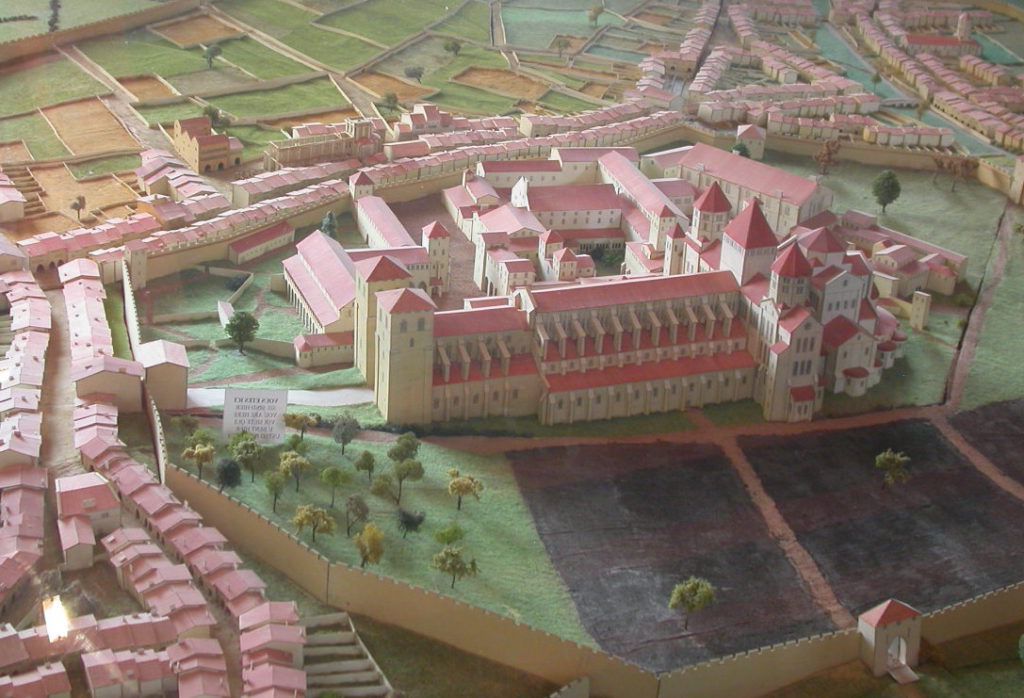
Milczenie stało się rozpowszechnioną praktyką monastyczną dopiero około X wieku. Mnisi z Cluny w środkowej Francji postanowili wykorzystywać swoje głosy wyłącznie do głoszenia chwały bożej podczas długich liturgii. Ponieważ jednak jakoś musieli się komunikować, opracowali złożony system znaków służących do porozumiewania się na migi (…).
„Spodziewał się protestów i wymówek”
Każdy klasztorny rozkład dnia zawierał dyskretne wskazówki dotyczące etyki pracy. Jednak w grę wchodziły także napięcia psychologiczne i socjologiczne. Kiedy jedna osoba nie trzymała się zasad, groziło to destabilizacją całego systemu. Dopasowanie planu zajęć zarówno do możliwości pojedynczych mnichów, jak i całej grupy nie było łatwym zadaniem.
Nawet klasztorny pies miał swoje obowiązki – bo biskup zgodził się na psa, który towarzyszyłby zakonnikom podczas prac polowych, pilnując, by dzikie zwierzęta nie zbliżały się do upraw.
Ferreol przewidział nawet to, że mnisi wywodzący się z arystokracji, stęsknieni za dawnymi rozrywkami, będą próbowali zabierać psa na polowania – i uprzedził z góry, że nie zamierza takich praktyk tolerować. Hipotetyczny pies obronny miał trzymać się swoich zadań, dokładnie tak jak mnisi.
Wszyscy byli częścią systemu zaprojektowanego w sposób sprzyjający skupieniu na Bogu wbrew wszelkim kuszącym alternatywom. Podporządkowanie się tej wspólnej rutynie miało służyć reorientacji umysłu.