 U nas zapłacisz kartą

Skuteczne metody usuwania owłosienia - Odkrywanie tajemnic depilacji
Peeling przed czy po goleniu – rozwiewamy obiekcje
Z całą pewnością przed, natomiast nie bezpośrednio przed goleniem lecz najlepiej dzień lub nawet dwa dni wcześniej. Główne działanie peelingu związane z goleniem polega na gruntownym oczyszczeniu skóry i odchyleniu włosków, co w konsekwencji ułatwia ich usunięcie. Usuwanie martwego naskórka przez peeling, zapobiega zjawisku wrastających włosków, które bardzo podrażnia skórę. Peeling odkrywa włoski, lekko je podnosi, a jeżeli jego skład zawiera dobroczynne surowce, to również pomaga zmniejszyć ryzyko pojawienia się podrażnień po goleniu. Systematyczne używanie peelingu pomaga uniknąć zapalenie mieszków włosowych i sprawia, że na skórze nie pojawiają się krosty.
Wcieranie peelingu w skórę tuż po użyciu maszynki naraziłoby ją na dodatkowy stres i podrażnienia (w szczególności skórę wrażliwą). Z tego powodu należy korzystać z peelingu przed zabiegiem bez względu na to czy golisz nogi, pachy oraz bikini maszynką, depilatorem czy woskiem.
Skin Peeling: A Healing Step or Reason to Worry?
Peeling skin, also known as desquamation , can occur for a number of reasons, including sun damage, medical conditions, and reactions to irritants or medications. It can happen in a localized area, or be widespread over the body. Peeling skin can have varying levels of severity, from mild and painless, to serious or life threatening.
This article will discuss causes of skin peeling, skin care with skin peeling, when skin peeling is severe, and medical treatment for skin peeling.
Na jaki peeling się zdecydować?
Wybór odpowiedniego peelingu zależy w dużej mierze od Ciebie lub – w przypadku depilacji laserowej – od sugestii doświadczonego kosmetologa. Do najpopularniejszych typów peelingów należą:
- peeling enzymatyczny – jego działanie opiera się na enzymach, zwykle pozyskanych w sposób naturalny (na przykład z roślin). Jest zdecydowanie delikatniejszy niż peelingi mechaniczne, dlatego może być z powodzeniem stosowany u osób z wrażliwą skórą. Będzie również świetnym wyborem po zabiegu depilacji laserowej. Enzymy jednocześnie skutecznie złuszczają martwy naskórek oraz odpowiednio pielęgnują skórę.
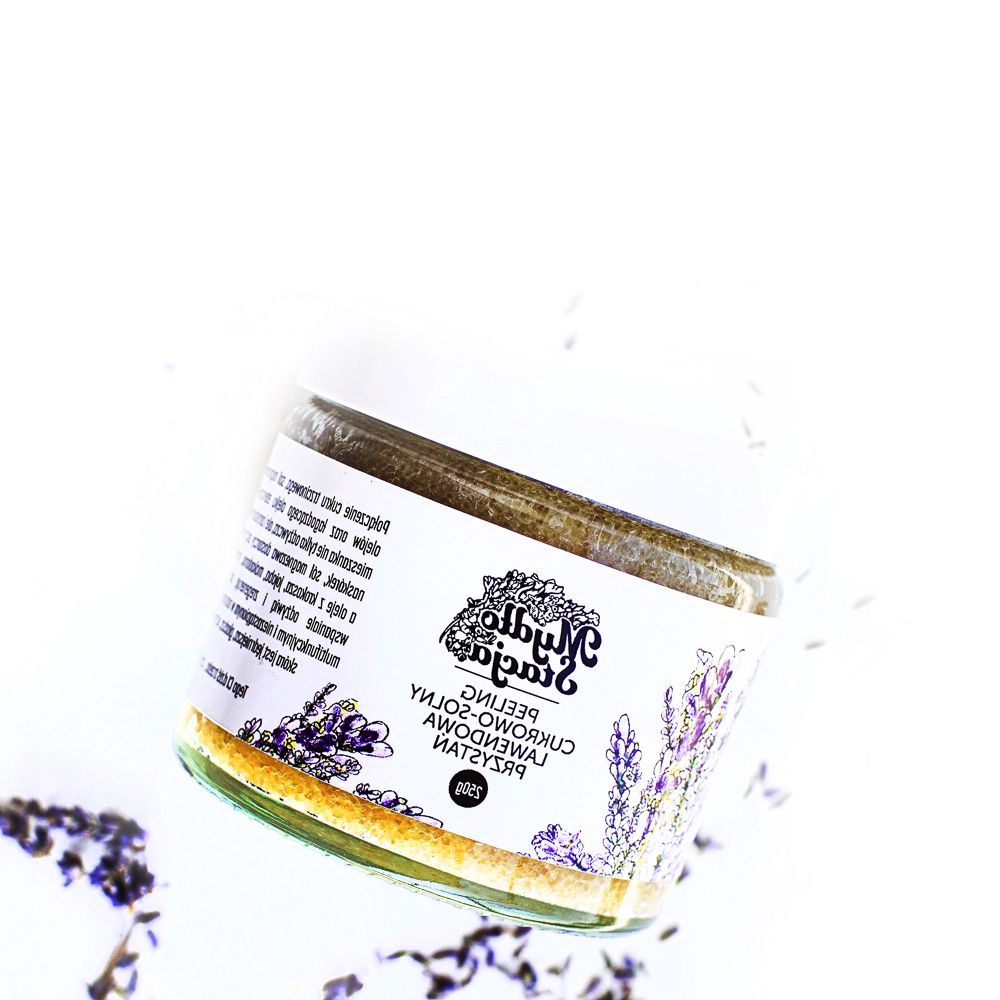
- peeling mechaniczny (scrub) – posiada drobinki, które skutecznie likwidują naskórek w wyniku wcierania produktu w skórę. Poradzą sobie nawet w najtrudniejszych przypadkach. Ich sposób działania jest jednak zdecydowanie bardziej inwazyjny, niż ma to miejsce w przypadku peelingów enzymatycznych. Drobinki mogą podrażniać delikatną skórę. Właśnie z tego powodu scruby nie są polecane osobom o wrażliwej skórze czy osobom po zabiegu depilacji laserowej. Nie są one zalecane również jako kosmetyki do twarzy – w tym przypadku zdecydowanie warto postawić na peeling enzymatyczny.
Jeśli depilujesz skórę, warto pomyśleć także o peelingu. Dzięki temu włoski łatwiej poddadzą się zabiegowi, a Twoja skóra stanie się gładka i nawilżona.
Czy ten post był pomocny?
Bądź pierwszym który oceni!
Jakie zadanie spełnia peeling?
Często spotykamy się z opinią, iż peeling jest jednym z tych kosmetyków, który wydaje się nie być specyfikiem pierwszej potrzeby. Okazuje się jednak, że zdecydowanie warto go posiadać i używać regularnie 1 lub 2 razy w tygodniu. Głównym zadaniem peelingu jest usuwanie martwych komórek naskórka, lecz nie wszyscy zdajemy sobie z tego sprawę, że pomaga on również organizmowi oczyścić się z toksyn i pozbyć zanieczyszczeń. Peeling wspiera też walkę z cellulitem oraz nadmiarem tkanki tłuszczowej. Warto również wspomnieć, że kosmetyk ten wyrównuje koloryt skóry, a także poprawia jej jędrność. Peeling, którego skład opiera się na dobrych olejach i masłach ma za zadanie:
- odżywić
- nawilżyć
- wygładzić skórę
Stosowany regularnie sprawia, że ciało staje się gładkie i przyjemne w dotyku.

Kiedy wykonać peeling – przed czy po depilacji laserowej?
Jeśli chodzi o peeling i depilację laserową, odpowiedź na pytanie, kiedy je wykonywać, nie jest już tak oczywista.
Przede wszystkim warto jest zastosować peeling na co najmniej 3 tygodnie przed zabiegiem depilacji. Najlepiej jeśli kosmetyk, którego używasz, jest wzbogacony dodatkowo o nawilżające składniki. Pamiętaj, żeby trzymać się terminu trzech tygodni – peeling wykonany później, na przykład na kilka dni przed planowaną depilacją laserową, może pogłębić doświadczenia bólowe, bo Twoja skóra będzie zdecydowanie bardziej wrażliwa.
Zaleca się również wykonywanie peelingu po depilacji laserowej – kiedy znikną już wszystkie podrażnienia i skóra stanie się mniej wrażliwa. Zazwyczaj po okresie około tygodnia do dwóch po zabiegu możesz już zastosować peeling skóry. Warto robić to delikatnie, za pomocą rękawicy do masażu albo drobnoziarnistego peelingu zatwierdzonego przez kosmetologa. Regularne peelingowanie skóry po zabiegu depilacji laserowej jest bardzo pomocne – przede wszystkim zapobiega wrastaniu włosków w skórę i przygotowuje Twoje ciało do kolejnych zabiegów. Jeśli decydujesz się na depilację laserową, warto wybrać peeling, który ma właściwości nawilżające – Twoja skóra będzie potrzebowała w tym okresie szczególnego nawilżenia. Aby poznać więcej sposobów na pielęgnację skóry po depilacji laserowej, możesz również przeczytać nasz artykuł.