 U nas zapłacisz kartą

Philips Lumea Bikini - Głębokie I Długotrwałe Rozwiązanie Dla Gładkiej Skóry
Philips Lumea Prestige review: ultimate at-home IPL
Looking for a cordless and powerful IPL machine? Read our Philips Lumea Prestige review now!
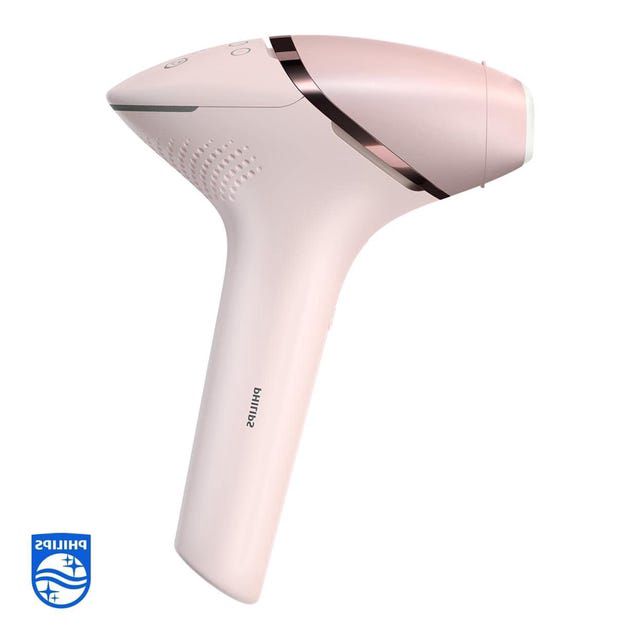
The Philips Lumea Prestige is the brand's most powerful hair removal device, and is quite simply the best IPL machine on the market. It offers easy, pain-free at-home hair removal, with a number of smart features that make it stand out from the rest.
- - Doesn't work on all skin types (true of all IPL)
- - Quite heavy
Why you can trust T3
Our expert reviewers spend hours testing and comparing products and services so you can choose the best for you. Find out more about how we test.
We check over 250 million products every day for the best pricesIf you're looking for smooth, hair-free skin, then the Philips Lumea Prestige is a flagship IPL machine which aims to give you long-lasting results, safely, from your own home.
I've spent the last two years zapping my legs, and other body parts, in order to properly review Philips Lumea Prestige, and these are my thoughts…
- Best IPL machine: effective laser hair removal for men and women
- Find the best Philips Lumea IPL deals
Can I use Philips Lumea every week?
When starting your IPL treatments with Philips Lumea, our recommended treatment plan is that your first four treatments are done on a fortnightly basis rather than weekly, followed by monthly top ups to keep hair regrowth at bay. It is not recommended to use your Lumea more than a fortnightly basis as IPL is only effective when your hair is in the ‘growing’ phase, so doing your treatment weekly won’t improve or speed up the results you see.
Using Philips Lumea IPL, you can expect to see results from as early as your third treatment – with a 92% hair reduction when following the treatment plan1 (although this may vary from person to person). To get the most optimal results we recommend you follow the treatment plan and, if you tend to be a little forgetful like me, add these to your IPL app so you get those very helpful reminders when your next treatment is due.
Lumea IPL Hair Removal vs Salon IPL Hair Removal
In the past IPL treatments were only available in salons, through regular appointments, at a large cost. The treatment could sometimes feel painful and uncomfortable on the skin.
Philips researched and adapted this professional technology extensively to create Lumea IPL hair removal, focused on delivering delivering smooth beautiful skin with 12 months of hair reduction and beautiful skin in the comfort and privacy of your own home. Discover what makes this technology so simple to use and how the IPL can work for you.
Lumea offers the perfect balance of light and speed so you’ll just experience a warm sensation on the skin whilst using it. Best of all, you can count on it for up to 20 years of use*
* Calculated for use on lower legs, bikini, underarms and face. The lamp lifetime does not extend the Philips 2 years worldwide warranty
Philips Lumea Prestige review: Use
Okay, so how do you actually use the Philips Lumea Prestige?
When you first get the Prestige you'll want to download the Philips Lumea IPL app. This will walk you through using the machine and set up a treatment plan. It's a simple, well-designed app that's easy to use.
Initially, you'll need to IPL your chosen body part/parts every two weeks for eight weeks (four sessions). The app will remind you when a treatment is due.
You can use the device corded or cordless, which is useful if you want to sit comfortably away from a socket, but you can access higher settings when using the Prestige corded.
Once you're ready, simply place the device against your skin and pull the trigger. The bulb won't flash unless there's a seal between your skin and the light window – this is to protect your eyes and to ensure correct placement.
For smaller, trickier areas you can then move the Lumea and pull the trigger again, or, for larger areas such as your legs, you can glide the device slowly along your skin holding the trigger for a continuous run of flashes.
It can take a fairly long time to do your legs (around 15-20 minutes) as the light window area is quite small. I think this is perfectly bearable, especially as you can do it from the comfort of a sofa, armchair, or bed.
Describing the sensation of IPL is quite difficult – it's certainly not painful, but, occasionally, you can feel an odd stinging sensation, like a small insect bite that goes away after a few seconds. It's certainly much less painful than waxing or epilating.
I've found a close shave prior to your IPL treatment is key to minimising these stings.
After the initial phase, you need to complete top-up sessions every six to eight weeks. Again, the app will remind you when a treatment is due.

Enjoy smooth skin with 12 months of hair reduction*
Objective studies show up to 92% hair reduction in as little as 3 treatments**. The first 4 treatments must be carried out every 2 weeks, after which you should already be able to see the desired results. To maintain your results, simply touch up every 4 weeks. After just 8 touch up treatments you can enjoy smooth skin with 12 months of hair reduction*.
*Median hair reductions after 12 treatments: 86% on lower legs, 70% on bikini, 67% on armpits.
**When following the treatment schedule, measured on legs, individual results may vary.
*when following the treatment schedule, measured on legs, after 3rd treatment. Individual results may vary.
** when following the treatment schedule, measured on legs with Lumea Prestige after 1,2,3,4 and 5 treatments.
*when following the treatment schedule, measured on legs, after 3rd treatment. Individual results may vary.
** when following the treatment schedule, measured on legs with Lumea Prestige after 1,2,3,4 and 5 treatments.
*when following the treatment schedule, measured on legs, after 3rd treatment. Individual results may vary.
** when following the treatment schedule, measured on legs with Lumea Prestige after 1,2,3,4 and 5 treatments.
*when following the treatment schedule, measured on legs, after 3rd treatment. Individual results may vary.
** when following the treatment schedule, measured on legs with Lumea Prestige after 1,2,3,4 and 5 treatments.