
 U nas zapłacisz kartą
Korzyści Mikrodermabrazji Twarzy z Witaminą C
Jak działa mikrodermabrazja?
Urządzenia do mikrodermabrazji znacząco się zmieniły od lat 90.
– Pierwsze urządzenia, zatwierdzone w 1996 roku, wykorzystywały diamentową końcówkę do usuwania martwego naskórka – mówi dr Palm. I faktycznie „diamentowa końcówka” części roboczej urządzenia jest pokryta drobnymi diamentami. Chociaż te urządzenia nadal istnieją, większość salonów spa korzysta obecnie z bardziej zaawansowanej technologii.
– Obecnie najpopularniejsze systemy przeznaczone do mikrodermabrazji wykorzystują do złuszczania skóry delikatny spray z wodorowęglanu sodu, kryształki tlenku glinu lub wodę. Niektóre nowsze urządzenia łączą dwie spośród tych trzech metod leczenia skóry – mówi dr Palm.
Kolejną zaletą nowoczesnych urządzeń do mikrodermabrazji jest to, że mogą wprowadzać składniki aktywne w skórę podczas złuszczania.
– Może to być kwas salicylowy do leczenia trądziku, witamina C do rozjaśniania skóry lub kwas hialuronowy do nawilżania suchej skóry – mówi dr Palm. Odnawiają powierzchnię skóry, odblokowują pory poprzez odsysanie i dostarczają dawkę indywidualnie dobranego serum w ciągu 30 minut.
Indications
Vitamin C deficiency usually arises in the setting of decreased intake or increased requirements or losses. Persons at risk for inadequate intake of the vitamin include patients in the following groups:
Those with alcohol use disorder, anorexia, or cancerThose on restricted diets secondary to inflammatory bowel disease, gastrointestinal reflux, or Whipple disease
Taking medications such as aspirin, indomethacin, oral contraceptives, tetracyclines, and corticosteroids.
Those who have renal failure due to filtration of water-soluble vitamin C during dialysis Those with a complication of interleukin-2 treatment of metastatic renal cell carcinomaIndications
Vitamin C is indicated to prevent and treat scurvy. Scurvy develops 1 to 3 months after initiating a vitamin C deficient diet. Individuals may complain of lethargy, fatigue, malaise, emotional lability, arthralgias, weight loss, anorexia, and diarrhea. They also may experience easy bleeding, bruising, and poor wound healing. The cutaneous manifestations of scurvy include phrynoderma, corkscrew hairs, perifollicular hemorrhage and purpura, edema of the lower extremities, and splinter hemorrhages. Phrynoderma, or enlarged hyperkeratotic hair follicles, initially present on the posterolateral arms. This presentation subsequently generalizes to involve the buttocks, posterior thighs, calves, shins, and back. Corkscrew hairs represent fractured and coiled hairs due to impaired keratin cross-links by disulfide bonds. With time, significant vascular congestion occurs, particularly in the lower extremities, leading to perifollicular hemorrhage and edema. This purpura is occasionally palpable, mimicking a cutaneous vasculitis. Blood vessel wall fragility also results in splinter hemorrhages of the nail bed. Oral disease is prominent among those with pre-existing poor dentition. Individuals may develop hemorrhagic gingivitis, where the gingiva is initially red, swollen, and shiny and later becomes purple, necrotic, and prone to bleeding. Additionally, poorly formed soft teeth are prone to infection. Musculoskeletal disease frequently presents in children. Hemorrhage can be intramuscular, intra-articular, or subperiosteal, leading to pain and pseudoparalysis. Bowing of the long bones, depression of the sternum, and swelling of the costochondral junctions are present on physical examination. Radiographic findings include a transverse metaphyseal radiolucent band (scurvy line or Trummerfeld zone), widening at the zone of calcification (white line of Frankel), a ring of increased density around the epiphysis (Wimberger ring), and metaphyseal spurs with marginal fractures (Pelkan spurs). Reports exist of conjunctival, intraocular, intracerebral, and gastrointestinal bleeding.
Recommendations
Recommendations for vitamin C, as well as other nutrients, are provided in the Dietary Reference Intakes (DRIs) developed by the Food and Nutrition Board at the National Academies of Sciences, Engineering, and Medicine. DRI is a term for a set of reference intakes that are used to plan and assess the nutrient intakes of healthy people. These values, which vary by age and sex, include:
Recommended Dietary Allowance (RDA): The average daily level of intake that is enough to meet the nutrient needs of nearly all (97% to 98%) healthy people. An RDA is an intake level based on scientific research evidence.
Adequate Intake (AI): This level is established when there is not enough scientific research evidence to develop an RDA. It is set at a level that is thought to ensure enough nutrition.
Dietary reference intakes for vitamin C:
- 0 to 6 months: 40 milligrams/day (mg/day)
- 7 to 12 months: 50 mg/day
- 1 to 3 years: 15 mg/day
- 4 to 8 years: 25 mg/day
- 9 to 13 years: 45 mg/day
- Girls 14 to 18 years: 65 mg/day
- Pregnant teens: 80 mg/day
- Breastfeeding teens: 115 mg/day
- Boys 14 to 18 years: 75 mg/day
- Men age 19 and older: 90 mg/day
- Women age 19 year and older: 75 mg/day
- Pregnant women: 85 mg/day
- Breastfeeding women: 120 mg/day
The best way to get the daily requirement of essential vitamins, including vitamin C, is to eat a balanced diet that contains a variety of foods.
Smokers or those who are around secondhand smoke at any age should increase their daily amount of vitamin C by an additional 35 mg per day.
Women who are pregnant or breastfeeding and those who smoke need higher amounts of vitamin C. Ask your health care provider what amount is best for you.
Komu mikrodermabrazja nie przyniesie korzyści?
Chociaż mikrodermabrazja jest ogólnie bezpieczna dla większości z nas, są wyjątki.
– Osoby z trądzikiem różowatym, rozszerzonymi lub popękanymi naczyniami krwionośnymi lub osoby ze skłonnością do podrażnień skóry lub pokrzywki raczej nie zareagują dobrze na ten zabieg – mówi dr Palm. – Technologia próżniowa, a także ścierny charakter mikrodermabrazji mogą zaostrzyć zaczerwienienie twarzy lub trądzik różowaty.
Specjalistka dodaje, że osoby z cienką i delikatną skórą i te, które mają tendencję do powstawania blizn, powinny przed poddaniem się mikrodermabrazji wykonać badanie całej twarzy, gdyż zabieg może w niektórych przypadkach powodować problemy skórne lub przebarwienia. A jeśli twoja skóra jest ogólnie zaogniona lub jest pod wpływem infekcji – powiedzmy, doznałeś oparzenia słonecznego lub opryszczki – najlepiej poczekać, aż problem się zagoi, zanim poddasz się zabiegowi.
Ważne jest również, aby przed zaplanowaniem zabiegu zdać sobie sprawę z ograniczeń związanych z mikrodermabrazją.
– Mikrodermabrazja nie leczy głębokich zmarszczek, ciemnobrązowych plam, pękniętych naczyń krwionośnych, zaczerwienień skóry lub przedrakowych plam skórnych – mówi dr Palm. – W przypadku takich schorzeń prawdopodobnie konieczne będzie bardziej inwazyjne, specjalistyczne leczenie.
Reasumując, mikrodermabrazja jest wspaniałą i skuteczną metodą złuszczania, która nadaje skórze gładkości i świeżości. Jeśli zatem domowe peelingi nie sprawiają, że twoja skóra jest wystarczająco gładka i miękka, mikrodermabrazja z dużo większą pewnością ci pomoże.
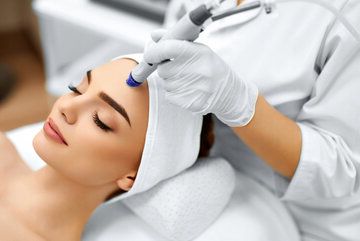
Chcesz mieć piękną skórę? Dowiedz się, czy mikrodermabrazja to zabieg dla ciebie
Mikrodermabrazja to popularny zabieg medycyny estetycznej, który poprawia wygląd i kondycję skóry. Czy jest bezpieczny i czy warto się mu poddać?
Mikrodermabrazja jest jednym z najbardziej podstawowych i powszechnych zabiegów w salonach odnowy. Jest to nieinwazyjny zabieg złuszczający, który jest korzystny dla szerokiej gamy typów skóry. Pomaga wygładzić skórę, przez co wygląda ona na jaśniejszą. Zabieg pozwala zminimalizować zatykanie porów i przebarwienia.
Chociaż mikrodermabrazja jest łagodniejsza niż inne profesjonalne zabiegi, takie jak peelingi chemiczne lub laseroterapia, dobrze jest wiedzieć dokładnie, z czym możemy mieć do czynienia, przed umówieniem się na pierwszą wizytę u specjalisty. Dermatolog Melanie Palm podzieliła się kilkoma ważnymi informacjami na temat mikrodermabrazji.