
 U nas zapłacisz kartą

Przedłużanie włosów - Sposoby, Koszty i Porady dla Perfekcyjnego Efektu
All About Cap Ex
In this post, we are going to take a deeper look into capital expenditures. What it is and how we account for it in cre underwriting.
Capital expenditures, commonly referred to as Cap Ex, are expenses that occur outside of normal operating expenses. They are items that ownership either needs to or decides to pay for that are not a part of the normal annual budget. Items such as a major renovation or major repairs that will usually improve the quality of the asset and may occur once every few years or less. Some examples of capital improvements are as follows:
- Tenant Improvements
- Roof Repair
- Lobby Renovation
- HVAC upgrade
- Lighting upgrade
- Parking lot repaving
- Elevator renovations
- FF&E Upgrades
- Leasing Commissions
Roof Repair: a common capital expenditure
Przedłużanie włosów na ringi
Przedłużanie włosów na ringi to jedna z najstarszych obecnie stosowanych metod, jednak wciąż cieszy się ogromną sympatią wśród klientek salonów fryzjerskich. Polega na łączeniu naturalnych pasm z doczepianymi za pomocą niewielkich, metalowych obręczy, nazywanych ringami. Są one wypełnione silikonem od środka, a więc nie musisz się martwić o to, że zaciśnięta na włosach obręcz uszkodzi twoje naturalne kosmyki. Dodatkowo, silikonowa wyściółka zapobiega zsuwaniu się ringów, co powoduje, że metoda ta jest naprawdę trwała. Metalowe, twarde ringi mocuje się zaraz przy skórze głowy, dlatego ich noszenie w pierwszych dniach może być nieco niekomfortowe. Jednak, podobnie jak w przypadku ultradźwięków, nie narażamy włosów na szkodliwe działanie wysokiej temperatury i substancji chemicznych.
Doczepianie włosów za pomocą metalowych ringów pozwala na wielokrotne użycie tych samych pasm, dzięki czemu, podobnie jak przy metodzie kanapkowej, raz na miesiąc możemy podciągnąć ringi do góry, nie narażając się przy tym na wysokie koszty.
Fryzjer, używając specjalnie do tego przeznaczonych cążków, otwiera ringi, podciąga włosy do góry i ponownie je zaciska. Dzięki temu obręcze nie są widoczne i nie trzeba za każdym razem inwestować w nowe pasma. Przedłużanie włosów u fryzjera metodą na ringi wiąże się z ceną około 1000 zł.
Jak dbać o włosy przedłużane? Profesjonaliści do takiego zabiegu używają włosów naturalnych, dlatego możemy o nie dbać podobnie jak o własne. Najlepiej sprawdzą się szampony i odżywki dedykowane włosom zniszczonym i rozjaśnianym, ponieważ posiadają one silne właściwości nawilżające i regeneracyjne. Dodatkowo, końcówki pasm warto zabezpieczać za pomocą silikonowego serum lub olejku, na przykład arganowego. W ten sposób zabezpieczymy je przed szkodliwym działaniem wysokich temperatur, silnego wiatru czy też uszkodzeń mechanicznych.

Metoda kanapkowa przedłużania włosów - opis, cena i efekty
Doczepianie włosów metodą kanapkową można porównać wprost do robienia kanapki. Pasma o przeciętnej szerokości 4 – 5 centymetrów przyklejane są specjalną taśmą do naszych włosów, bezpośrednio przy skórze głowy – od góry i od dołu. Taśma jest ledwo wyczuwalna pod palcami, bezbarwna i elastyczna, dlatego nie trzeba się obawiać, że ktokolwiek ją zauważy. Włosami, których używa się do przedłużania metodą kanapkową są tak zwane remy – czyli włosy z łuskami skierowanymi w tym samym kierunku, co sprawia, że nie są one podatne na rozdwajanie, plątanie i kołtunienie.
Metoda kanapkowa uważana jest za najmniej inwazyjną, najszybszą i najbezpieczniejszą metodę przedłużania i zagęszczania włosów, a przy tym jest relatywnie tania. Doświadczony fryzjer jest w stanie wykonać takie przedłużanie w godzinę, a efekt, przy stosowaniu odpowiedniej pielęgnacji, będzie bardzo trwały. Pasma warto podciągać co miesiąc, ponieważ w przeciwnym wypadku włosy będą się plątać i wyglądać nieestetycznie. Jednak jeden zestaw taśm może wystarczyć nawet na sześć miesięcy użytkowania.
Jak pielęgnować włosy przedłużane, aby jak najdłużej cieszyć się ich idealnym wyglądem? Właściwie podobnie do swoich własnych. Należy używać dobrej jakości szamponów, najlepiej dedykowanych włosom zniszczonym, ponieważ posiadają one właściwości regeneracyjne i nawilżające. Po każdym myciu na włosy nakładamy silnie odżywczą maskę, a na koniec treściwe serum, jedwab lub olejek arganowy. Włosy rozczesujemy specjalną szczotką przeznaczoną do pasm przedłużanych. Przed każdą stylizacją włosów na gorąco, z użyciem suszarki, lokówki lub prostownicy, warto pamiętać o preparacie termoochronnym. Na noc najlepiej związywać włosy w luźnego koka, co sprawi, że nie będą nadmiernie się plątać. Zaleca się stosowanie gumek wykonanych z jedwabiu. To samo dotyczy poszewki na poduszkę, na której śpimy. Dzięki temu włosy nie będą narażone na uszkodzenia mechaniczne podczas snu.
Ile kosztuje przedłużanie włosów metodą kanapkową – taśmową?
Przedłużanie włosów metodą kanapkową (tape-on), to nic innego jak doczepianie silikonowych taśm z włosami. Taśma jest bardzo łatwa w aplikacji, jest:
- elastyczna
- transparentna
- samoprzylepna
Warto wybrać włosy prawdziwe a nie syntetyczne, naturalne włosy są o wiele trwalsze, można je stylizować, nie plączą się i nie puszą.
Zabieg zwykle trwa około 1 godziny, więc jest dość szybki. Salony fryzjerskie zwykle wliczają w cenę:
- zabieg przedłużania włosów
- zagęszczenie ich
- mycie
- strzyżenie
- modelowanie
Oto cennik:
- Pasma So.Cap.: ok. 600 – 1200 zł
dł. 55cm – 12 podwójnych pasm: 1190 zł
dł. 55cm – 18 podwójnych pasm: 1550 zł - Pasma HairTalk: ok. 800 – 2200 zł
dł. 25cm – 12 podwójnych pasm: 870 zł
dł. 40cm – 12 podwójnych pasm: 1070 zł
dł. 40cm – 18 podwójnych pasm: 1380 zł
dł. 55cm – 12 podwójnych pasm: 1610 zł
dł. 55cm – 18 podwójnych pasm: 2190 zł - Ściągnie taśm z włosami to koszt około 60 zł.
- Wymiana taśm, kosztuje 300-400 zł
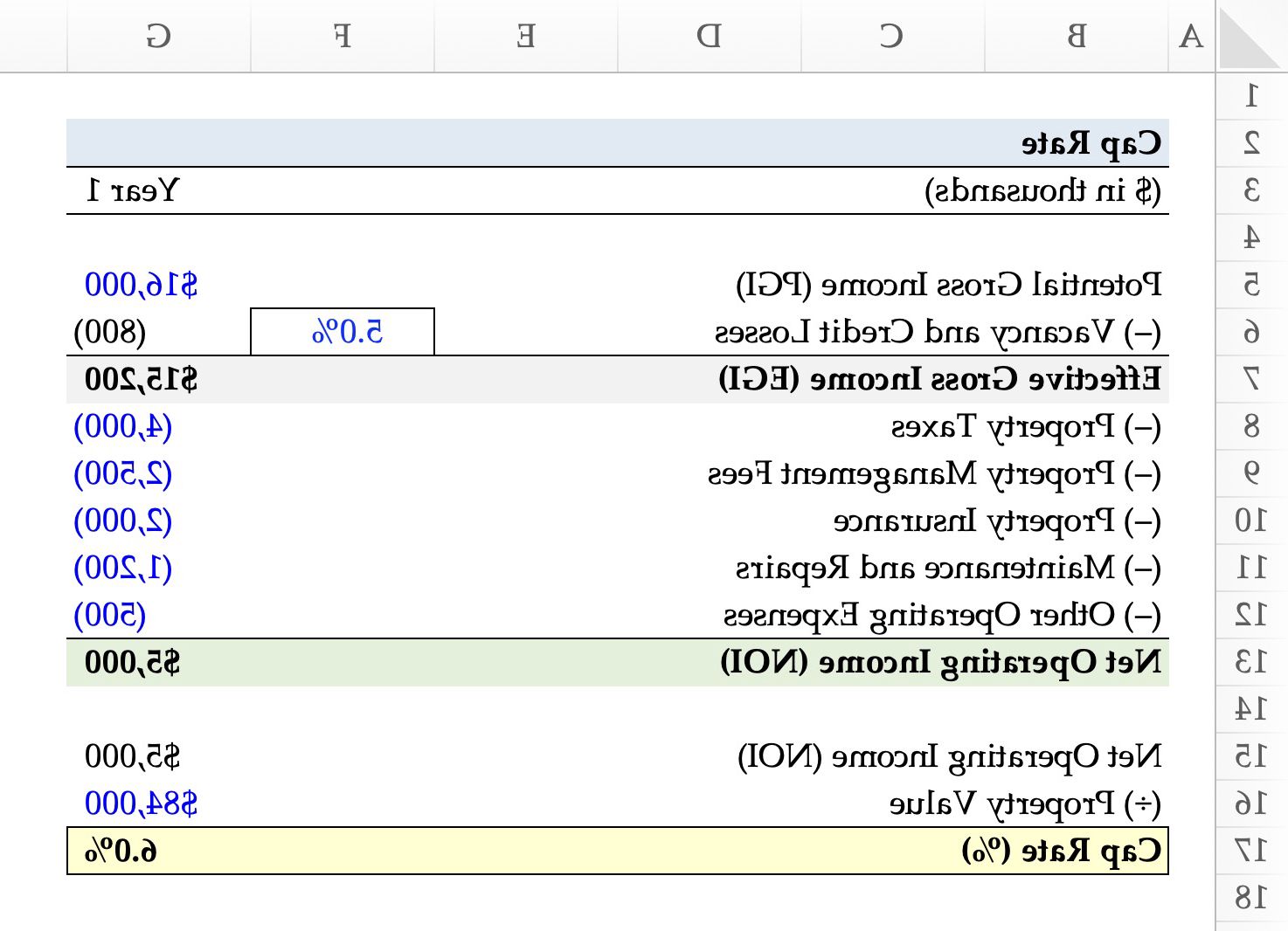
Cap Rate Example
Suppose a commercial rental property is expected to generate $12 million in net operating income (NOI) in 2024, and comparable properties nearby are trading at a 6.0% market cap rate.
The 6% market cap rate reflects the annual percentage return on investment (ROI) on the rental property, assuming the property was purchased outright without financing.
The direct capitalization method, one of the core real estate appraisal techniques, states the value of a property can be estimated by dividing its stabilized NOI by the market cap rate.
Implied Property Value = Stabilized NOI ÷ Market Cap RateGiven the 6.0% market cap rate, the implied market value of the property is $200 million.
- Implied Property Value = $12 million ÷ 6.0% = $200 million
Since net operating income (NOI) and property value—the two variables in the cap rate formula—are known, we can solve for the cap rate by dividing the NOI by the property value.