 U nas zapłacisz kartą
Korundowa Mikrodermabrazja - Opinie, Skuteczność i Doświadczenia
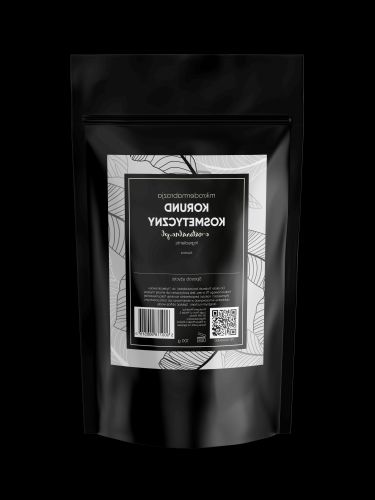
Korund kosmetyczny – mikrodermabrazja
Domowa mikrodermabrazja i korund kosmetyczny to praktycznie 2 nierozerwalne rzeczy. Kryształki korundu mogą z powodzeniem zastąpić profesjonalną mikrodermabrazję wykonywaną w salonach kosmetycznych. Peeling korundem jest ostrzejszy od standardowego, sklepowego peelingu gruboziarnistego i niejednokrotnie słabszy od profesjonalnych peelingów dermatologicznych.
Korund w domu jest dobrym rozwiązaniem dla tych, którzy bardzo chcą oszczędzić czas i pieniądze, porównując standardową cenę zabiegu mikrodermabrazji (100 zł za zabieg) to cena korundu kosmetycznego jest śmiesznie niska i wynosi ok. 10 zł za 100 gram korundu.
Opłaca się? TAK! Ale pod warunkiem, że znamy sposób użycia korundu kosmetycznego!
Korund kosmetyczny. Co trzeba o nim wiedzieć?
Jednym ze składników kosmetyków do mikrodermabrazji jest korund.
Jest to minerał, tlenek glinu, potocznie nazywany tlenkiem aluminium. Jego szlachetną odmianą jest np. rubin. Alumina, czyli naturalne mikrokryształy korundu, używane w kosmetologii, mające średnicę około 100 mikrometrów. Korund kosmetyczny nie zawiera alergenów, barwników ani środków konserwujących. Zawsze jednak przed przystąpieniem do zabiegu należy zabezpieczyć się przed ryzykiem wystąpienia reakcji alergicznej, ponieważ skóra może uwrażliwić się na każdym etapie naszego życia, nawet jeśli nigdy nie byliśmy na nic uczuleni.
Do najważniejszych zalet korundu zalicza się jego zdolność do delikatnego, ale skutecznego złuszczania martwego naskórka oraz usuwania zanieczyszczeń, wygładzania skóry i pobudzania jej naturalnego metabolizmu. Wszystkie te właściwości sprawiają, że znajduje on zastosowanie w peelingach do twarzy i całego ciała oraz żelach do mycia czy kremach nawilżających.
Podkreślmy, że korund jest pochodzenia naturalnego. Kiedy widzisz go na liście składników swojego kosmetyku złuszczającego, możesz mieć pewność, że sięgasz po jakościowy kosmetyk do mikrodermabrazji.
Corundum
- In 1837, Marc Antoine Gaudin made the first synthetic rubies by reacting alumina at a high temperature with a small amount of chromium as a colourant. [15]
- In 1847, J. J. Ebelmen made white synthetic sapphires by reacting alumina in boric acid.
- In 1877, Frenic and Freil made crystal corundum from which small stones could be cut. Frimy and Auguste Verneuil manufactured artificial ruby by fusing
- BaF2 and
- Al2O3 with a little chromium at temperatures above 2,000 °C (3,630 °F).
- In 1903, Verneuil announced that he could produce synthetic rubies on a commercial scale using this flame fusion process. [16]
The Verneuil process allows the production of flawless single-crystal sapphire and ruby gems of much larger size than normally found in nature. It is also possible to grow gem-quality synthetic corundum by flux-growth and hydrothermal synthesis. Because of the simplicity of the methods involved in corundum synthesis, large quantities of these crystals have become available on the market at a fraction of the cost of natural stones. [17]
Jakie są przeciwwskazania do wykonania mikrodermabrazji korundowej?
Czy istnieją przeciwwskazania do przeprowadzenia zabiegu mikrodermabrazji korundowej? Tak – takich czynników jest dosyć sporo. Do najistotniejszych przeciwwskazań zaliczyć można:
- zakażenia wirusowe, bakteryjne i grzybicze skóry,
- trądzik różowaty,
- trądzik grudkowo-krostkowy, ropowiczy,
- znamiona naczyniowe,
- tendencje do pękania i rozszerzania się naczyń krwionośnych,
- skłonność do keloidów, czyli powstawania nieprawidłowych przerośniętych blizn,
- stosowanie niektórych leków przeciwzakrzepowych, przeciwpłytkowych np. Plavix, NLPZ stosowane przewlekle,
- terapię Roacutanem (odczekać 6 miesięcy),
- uczulenie na tlenek glinu (należy przed pierwszym zabiegiem wykonać próbę alergiczną na nadgarstku lub za uchem – 48h przed zabiegiem),
- nowotwory i guzki niewiadomego pochodzenia,
- łuszczycę,
- ciążę i okres karmienia piersią,
- stan zapalny opryszczki.