 U nas zapłacisz kartą

Pryszcze a solarium - Wpływ opalania na skórę i pojawianie się pryszczy
Solarium Spaces Unveiled: What You Need to Know
Discover the benefits of solariums in our comprehensive guide to brighter, more inviting living spaces. Explore design ideas and expert advice.
Published on February 08, 2024
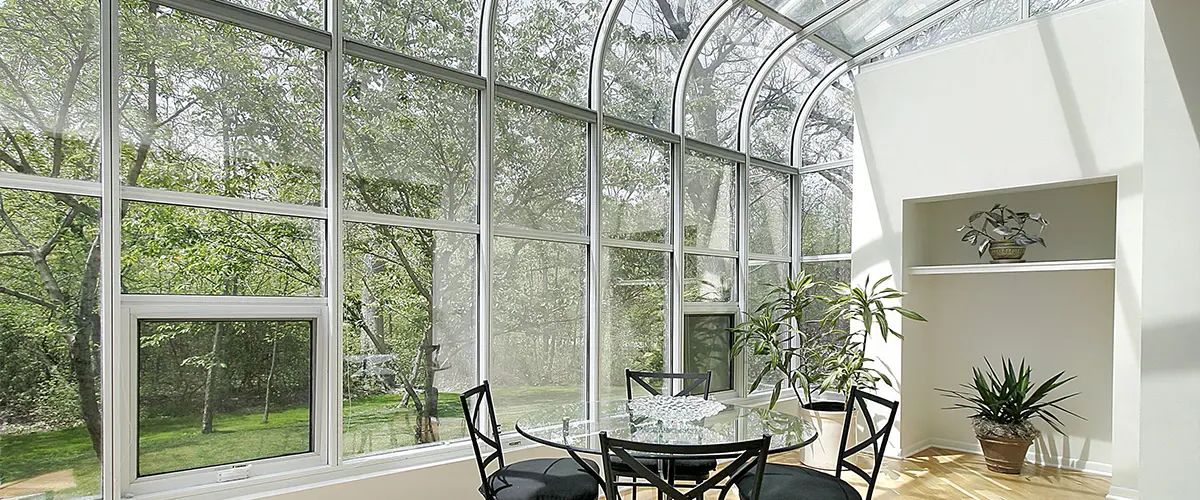
The idea of a solarium might seem like an elaborate addition suited only for specific homes, yet it's a versatile option that fits well with many houses. Essentially a glass-enclosed room, a solarium is an excellent choice for those looking to enhance their home with natural light and extra space.
Among these approaches, solariums emerge as distinctive spaces that encapsulate the vibrant energy of the serenity of nature within our living environments. This exploration delves into the unique aspects of solariums, differentiating them from sunrooms, and evaluates their significance and functionality in contemporary living settings.
What are the differences between a solarium vs a four season sunroom?
Solariums are designed to maximize the amount of sunlight that enters the room year round, while screen rooms can be designed for a variety of purposes, including providing a place to relax or host guests.
They are also known for having large windows, while a sunroom is more of an extra space with an outdoor view.
Solariums are often used as greenhouses or as a place to grow plants year round, while sunrooms are more commonly used as an extension of the home where people can enjoy the living space without having to deal with the elements.
So while they are similar structures that can be enjoyed year round, the main difference when it comes to solarium vs sunroom is the existence of an extra exterior wall and complete enclosure of glass, and functionality.
Glass Roof
While a glass roof is great for a solarium in so many ways, it’s not exactly a great idea to replace your existing roof. Especially during inclement weather. With that being said, a glass roof has several benefits, including:
1. letting in as much sunlight as possible and reducing the need for artificial lighting,
2. providing good insulation against heat loss in winter and excessive heat gain in summer,
3. giving a clear glass view of the sky,
Glass Walls
There are many benefits to having glass for walls, including increased natural light, the ability to see outside, and a feeling of openness and oneness with nature and the outside world. Glass can also make a space feel more spacious and airy. Additionally, glass walls can be used to create interesting visual effects and can be customized to suit any design style.
Paprsky v soláriu uvádí do pohybu buňky v pokožce
Trubice v soláriích mají různý výkon, a tudíž je třeba dbát na dobu slunění podle výkonu solária a počtu trubic. Trubice se také musí čistit a včas měnit, což se bohužel často porušuje. Proto je lepší chodit jen do ověřených certifikovaných solárií, kde se vám současně obsluha plně věnuje a pomůže vám se správným určením doby slunění. Nutná je také speciální kosmetika do solárií, která zabrání vysoušení a narušení kůže a ochrání vás před předčasnými vráskami.
Světová zdravotnická organizace soláriím ale nefandí a oficiálně je považuje za jednoho z původců rakoviny kůže. Doporučuje ho jen lidem s kožními onemocněními jako je lupenka či ekzém. Současně ale také potvrzuje, že při slunění v soláriích dochází k tvorbě vitamínu D, který přispívá ke zhutňování kostí (opak řídnutí) a vytváří se endorfiny (tzv. hormony dobré nálady).
Dá se říci, že tady je to opravdu něco za něco. Solárium se striktně nedoporučuje velmi mladým lidem (cca do 25 let), u kterých onemocnění kůže může vzniknout rychleji. Dvacet minut v soláriu odpovídá přibližně dnu slunění na pláži. Zde to platí jako u ostatního – všeho jen s mírou.
What Is a Solarium?
Erica Puisis writes about home products for The Spruce and specializes in interior design and plant care. She's contributed to Forbes and smart home blogs like Smart Home Solver and TechDigg.
A solarium may sound like a specialized structure rather than a type of addition that can be added to almost any home. But the reality is that this simple addition, a room made primarily of glass, is a great option for adding more light and living space to your home. Learn more about what separates a solarium from a sunroom and how to design this unique, light-filled space.

Solarium Vs. Sunroom. Differences, Prices, And More
Both solariums and sunrooms are great additions that you can get to boost your property’s value and the comfort of your home.
But what is actually the most efficient way to do so?
Solariums are more expensive and might offer a more elegant look, but sunrooms are affordable and much easier to get.
In this guide, we’ll put an end to the solarium vs. sunroom discussion. Let’s begin.