 U nas zapłacisz kartą

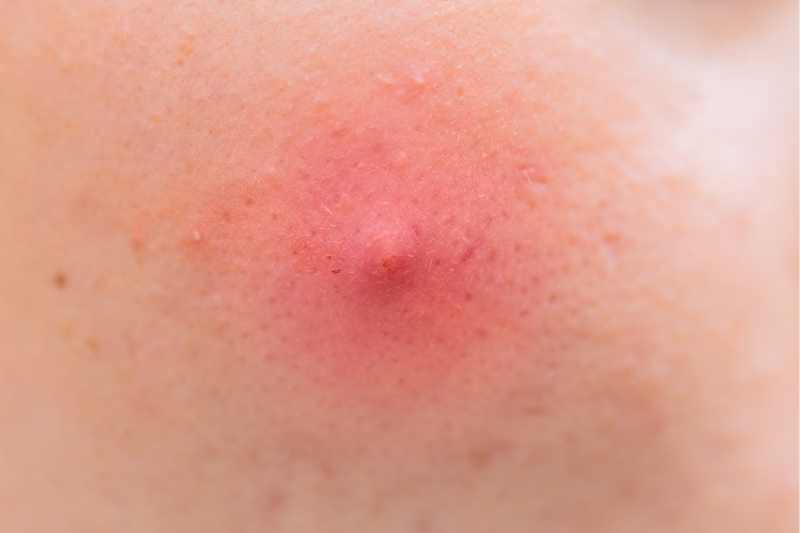
Duac na pryszcze - Skuteczne rozwiązanie dla piękniejszej skóry
Duac gel za akne upotreba
Kako je u pitanju medicinski preparat veoma je bitno koristiti ga na način koji je propisan.
To podrazumeva sledeću upotrebu:
- samo na koži,
- ne upotrebljavati na iritiranim delovima kože,
- efekti su vidljivi u periodu od 4 do 6 nedelja,
- ne duže od 12 nedelja.
Duac gel upotreba postupak:
- umijte se i očistite lice dobro, da bude čisto,
- dobro osušite lice ili deo kože gde ćete naneti gel,
- jednom dnevno nanositi gel, najbolje uveče,
- malu količinu gela je potrebno lagano utiljati na mesto zahvaćeno aknama, ali i oko akni.
Veoma je bitno napomenuti da se gel ne nanosi samo ciljano na bubuljice, već i na predeo oko bubuljica. Na taj način će efekat biti kompletan. Ukoliko se nanosi samo na predeo gde je bubuljica, efekat može izostati.
Obavezno dobro isprati ruke nakon nanošenja Duac gela.
Použitie
Dávkovanie a dávkovacie schémy
Dospelí a dospievajúci (vo veku 12 rokov a starší):
Liek sa nanáša 1x denne večer pred spaním na celú postihnutú plochu.
Liečba nemá presiahnuť 12 týždňov nepretržitého používania. Účinok sa môže zaznamenať už po 2 - 5 týždňoch liečby
Spôsob použitia
Gél je určený na vonkajšie dermálne použitie.
Gél sa má aplikovať v tenkej vrstve po jemnom umytí pokožky šetrným čistiacim prípravkom a po úplnom vysušení. Ak sa gél do pokožky ľahko nevstrebáva, bolo aplikované priveľké množstvo. Po aplikácii si treba umyť ruky.
Má sa zamedziť kontaktu gélu s ústami, očami, perami, inými sliznicami alebo s miestami, na ktorých je pokožka podráždená alebo porušená.
Upozornenie
Liek môže byť predpísaný tehotným alebo dojčiacim ženám až po starostlivom zhodnotení prínosu a rizika.
Ak sa liek používa počas dojčenia, nemá sa aplikovať na oblasť prsníkov, aby sa zabránilo jeho náhodnému požitiu dieťaťom.
Liek sa neodporúča používať u detí vo veku do 12 rokov.
Počas prvých týždňov liečby dôjde u väčšiny pacientov k zintenzívneniu olupovania a začervenania pokožky.
Počas liečby sa nemajú používať horské slnká a treba sa vyhnúť úmyselnému a dlhotrvajúcemu vystavovaniu sa slnku alebo ho treba minimalizovať. Pokiaľ nie je možné vyhnúť sa silnému slnečnému žiareniu, majú sa používať prípravky na opaľovanie a nosiť ochranný odev. Ak má pacient popáleninu od slnka, pred použitím lieku musí byť vyliečená.
Liek môže odfarbovať vlasy alebo farebné tkaniny.
Uchovávať v chladničke (2 o C - 8 o C). Po prvom otvorení uchovávať pri teplote neprevyšujúcej 25 °C.
Použiteľnosť po 1. otvorení je 2 mesiace.
Ďalšie osobitné upozornenia sú uvedené v SPC (časť 4.4).

Warnings and Precautions
5.1 Colitis
Systemic absorption of clindamycin has been demonstrated following topical use of clindamycin. Diarrhea, bloody diarrhea, and colitis (including pseudomembranous colitis) have been reported with the use of topical and systemic clindamycin. If significant diarrhea occurs, DUAC Gel should be discontinued.
Severe colitis has occurred following oral and parenteral administration of clindamycin with an onset of up to several weeks following cessation of therapy. Antiperistaltic agents such as opiates and diphenoxylate with atropine may prolong and/or worsen severe colitis. Severe colitis may result in death.
5.2 Ultraviolet Light and Environmental Exposure
Benzoyl peroxide, a component of DUAC Gel, may cause increased sensitivity to sunlight. Minimize sun exposure (including use of tanning beds or sun lamps) following drug application. [See Nonclinical Toxicology (13.1.)] Patients who may be required to have considerable sun exposure due to occupation and those with inherent sensitivity to the sun should exercise particular caution.
Duac - Clinical Pharmacology
Click here to enter Clinical Pharmacology
12.1 Mechanism of Action
Clindamycin is a lincosamide antibacterial [see Clinical Pharmacology (12.4)].
Benzoyl peroxide is an oxidizing agent with bacteriocidal and keratolytic effects, but the precise mechanism of action is unknown.
12.3 Pharmacokinetics
A comparative trial of the pharmacokinetics of DUAC Gel and 1% clindamycin solution alone in 78 subjects indicated that mean plasma clindamycin levels during the 4-week dosing period were less than 0.5 ng per mL for both treatment groups.
Benzoyl peroxide has been shown to be absorbed by the skin where it is converted to benzoic acid. Less than 2% of the dose enters systemic circulation as benzoic acid.
12.4 Microbiology
Clindamycin binds to the 50S ribosomal subunits of susceptible bacteria and prevents elongation of peptide chains by interfering with peptidyl transfer, thereby suppressing protein synthesis.
In Vivo Activity
No microbiology studies were conducted in the clinical trials with this product.
In Vitro Activity
The clindamycin and benzoyl peroxide components individually have been shown to have in vitro activity against Propionibacterium acnes , an organism which has been associated with acne vulgaris, however, the clinical significance of this in vitro activity is not known.
There are reports of an increase of P. acnes resistance to clindamycin in the treatment of acne. In patients with P. acnes resistant to clindamycin, the clindamycin component may provide no additional benefit beyond benzoyl peroxide alone.
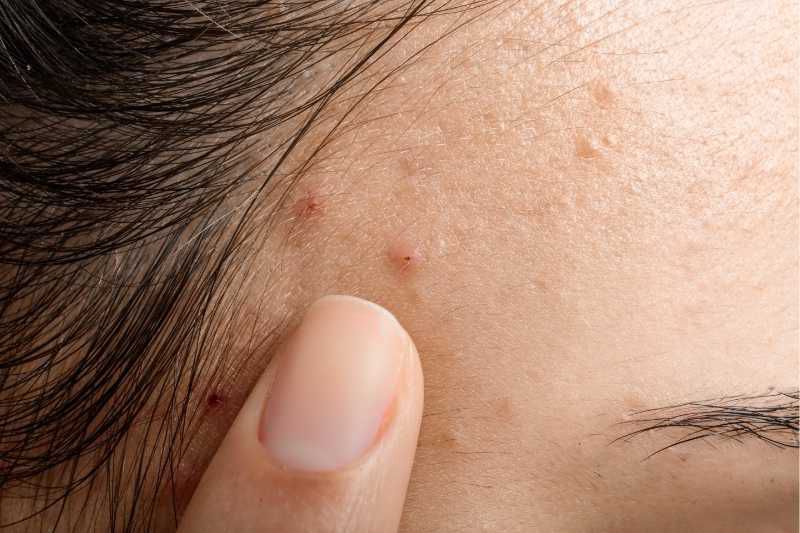
Neželjena dejstva Duac gela
Kada se koristi Duac gel za akne onda treba reći i da može doći do pojave neželjenih dejstava. Kod upotrebe bilo kog preparata, bilo da je u pitanju medicinski ili organski, može doći do pojave nekih efekata.
Neželjena dejstva koja se mogu javiti kod upotrebe Duac gela su:
- alergijska reakcija na koži,
- stomačni grčevi,
- osećaj peckanja kože, perutanje kože oko bubuljice, svrab kože i teranje na češanje,
- suva koža i isušivanje kože oko bubuljice,
- pojava osipa, ali veoma retko,
- crvenilo kože,
- širenje ili pogoršanje stanja akni.
Bilo koji od ovih efekata mogu se javiti, ali se neki javljaju češće dok neki veoma retko. Ukoliko se pojavi bilo koji od ovih simptoma, preporuka je javiti se svom lekaru.